
Sanriku तट के niche:ulator
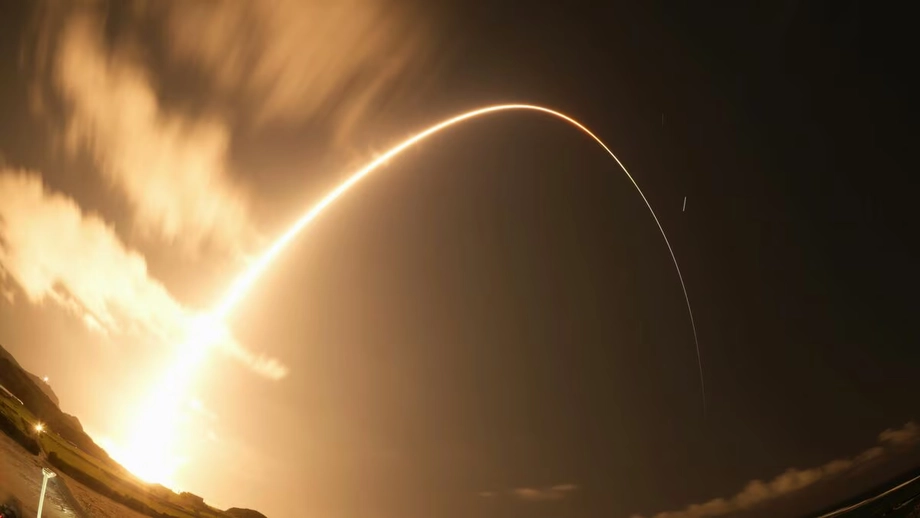
20 apr 2026 को two o'clock पर Sanriku के offshore, northeastern Japan में 7.7 magnitude का earthquake आया। एक Kyoto University के researcher का कहना है कि इसने plate boundary केほぼsame stretch कोrupture:rupture कर दिया जो 2011 के devastating Tohoku earthquake के ঠিক 22 minutes बाद आए 7.4 magnitude के earthquake नेrupture:rupture किया था। यह finding एक ऐसे fault की ओर इशारा करती है जो एक से अधिक बारrupture:rupture हो चुकी है, साथ ही'ideaThose sections की ओर भी huomiota खींचती है जो हाल ही में itna move नहींودو have।
विषय-सूची
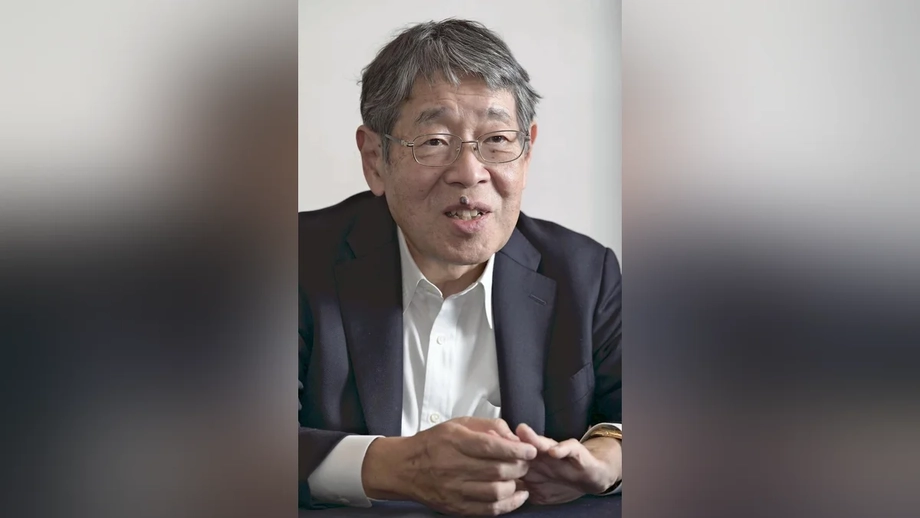
Professor Takuya Nishimura ने 2011 और 2026 के earthquakes के satellite positioning measurements की tulna 1994 और December 2025 के major quakes के measurements से की। 2011 और 2026 की events के दौरान ground presque same direction में और same amounts से shift hui। His fault models ने their centers को almost 12 kilometres apart rakha है, waarbij much of the estimated rupture area overlapping है।
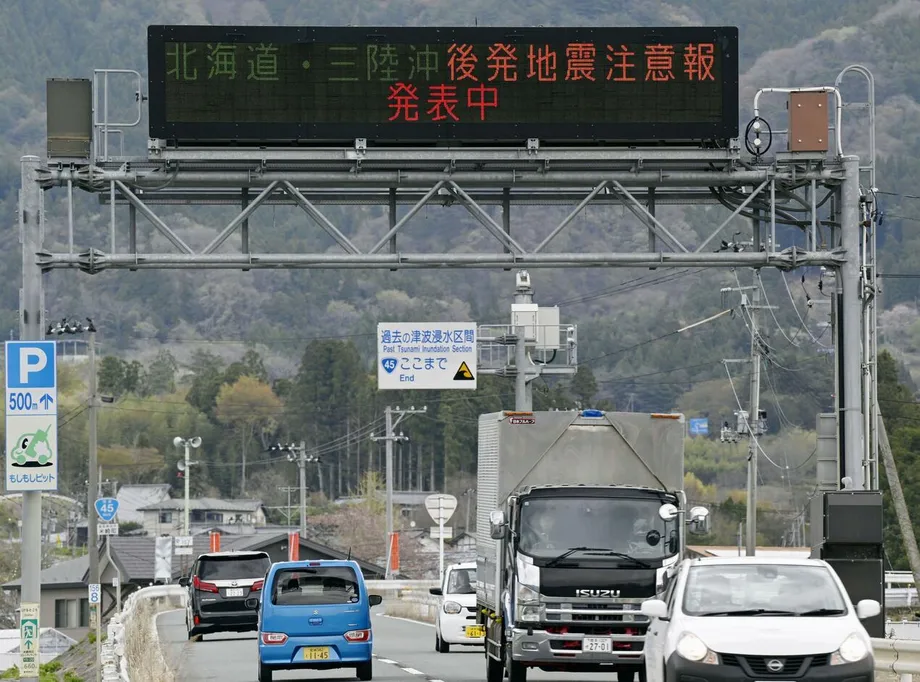
April के quake ने Aomori Prefecture में maximum seismic intensity 5 Upper register की। Japan की intensity scale describe करती है कि shaking कितनी strongly feel होती है और kisi location पर uske effects kya hain, jabki magnitude earthquake के source पर uske size को measure करता है। Quake ने damage और injuries भी cause कीं, Akita और Miyagi prefectures के parts में long period ground motion produce की, और Hokkaido से lekar Tohoku tak Pacific coast के along tsunami waves bhejiं।
Nishimura ने kaha ki fault ne April ke earthquake में strain release kar diya lagta hai, lekin warning di ki plate boundary ke nearby parts ko abhi bhi huomiota ki zaroorat hai। Professor ne apni chinta is tarah rakhi:
Ab adjacent areas mein earthquakes ki possibility par huomiota dena zaroori hai।
यह distinction matter karta hai kyunki ek rupture us part of a fault par pressure ko relieve kar sakta hai jo move hui jabki uske edges ke around stresses ko badal deti hai। Nishimura ke research ne purane 1968 rupture area ke central section ko ek particular point of concern ke roop mein identify kiya hai: isne last baar 1994 mein substantial movement dekhi thi।
Measurements kya reveal karte hain
Earthquake Research Committee की official earthquake evaluation, jo May 14 ko dated hai, April ki event ko lagbhag 20 kilometres ki depth par rakhti hai। Iska fault mechanism Pacific Plate ke continental plate ke niche move karne wale boundary par reverse faulting indicate karta hai। Simple terms mein, boundary ka ek side dusre ke upar push kiya gaya jab plates ek dusre ke against press huiं।
Satellite positioning stations ne ground ki movement ko record kiya। Iwate Prefecture ke S-Fudai station par, land lagbhag 9 centimetres east shift hui aur lagbhag 1 centimetre neeche dhansi। Lagbhag 10 din baad, Miyako ke Taro-A station ne lagbhag 2 centimetres additional eastward movement record ki, jise committee ne likely post earthquake deformation kaha hai।
Committee ne Iwate ke Kuji Port par 79 centimetres aur Hokkaido ke Urakawa par 39 centimetres ke provisional tsunami heights report kiं। Aftershocks mein 20 apr ko magnitude 5.6, 22 apr ko 5.3 aur 27 apr ko 5.1 ke events shaamil the। 20 apr se lekar 30 apr tak, area mein 38 earthquakes ne seismic intensity 1 ya usse zyada reach ki। Committee ne kaha ki activity zone lagbhag 150 kilometres northwest se southeast tak phaila hua tha।
Same evaluation ne note kiya ki tremor activity April ke epicentre ke east mein badhi hai। Tremors chhote, repeated signals hote hain jo fault ke along movement se linked hote hain, aur ordinary earthquakes ya slow movement ke saath aa sakte hain jo strong shaking produce nahi karti। Committee ne area mein estimated slow slip mein bhi increase report kiya hai।
2011 aur 2026 ke sources kitne close the?
Nishimura ka GNSS study, jo 26 October ko publish hua, April ke earthquake ko geodetic measurements ka use karke magnitude 7.5 estimate karta hai। Yeh estimate committee ke evaluation mein use hue Japan Meteorological Agency ke magnitude 7.7 se alag hai। Figures earthquake ke size ko measure karne ke alag-alag methods se aate hain, isliye dono scientific record mein appear hote hain।
Study sirf reported magnitude hi nahi, Balk ground movement ke pattern ki bhi tulna karta hai। 2011 aur 2026 ke measurements direction aur size mein presque identical the, aur unke observed movements ke beech ka difference aisa koi clear pattern nahi dikhata jo widely separated sources suggest kare। Estimated fault centres lagbhag 12 kilometres door the, halanki dono earthquakes ke epicentres lagbhag 33 kilometres door the। Ek epicentre surface par us point ko mark karta hai jo earthquake shuru hone wale jagah ke upar hota hai; underground slip karne wala fault area usse door tak fail sakta hai।
GNSS ek satellite positioning system hai, jismein GPS shaamil hai, jo monitoring stations ki position mein chhote badlav ko measure karta hai। Jab ek bada fault slip karta hai, to nearby land par stations move karte hain। Un movements ki tulna karke, researchers estimate kar sakte hain ki fault kahan move hua aur slipping area kitni badi thi। Nishimura ka analysis permanent monitoring stations par based hai, na ki sirf shaking measurements par।
April ka earthquake 1968 Tokachi-oki earthquake ke source area ke southern edge ke paas hua tha। Committee us purane quake ko magnitude 7.9 deti hai; Nishimura ka academic paper use magnitude 8.3 ke roop mein refer karta hai। Study 1968 event ke seismic moment ko 3.5 × 10²¹ newton metres estimate karta hai, jabki 1994, 2025 aur 2026 ke earthquakes ke combined 6.8 × 10²⁰ newton metres ke saath compare kiya gaya hai। Seismic moment fault ke us area ko reflect karta hai jo move hui, woh kitni door slip hui aur rock ki strength kya thi। Comparison dikhata hai ki 1968 ka rupture ne teen baad ke events ke combined se kahin zyada total energy release ki।
Purane rupture area ke andar teen sections
Study 2025, 1994 aur 2026 ke sources ko 1968 rupture area ke northern, central aur southern parts se map karta hai, respectively। Researchers in sections ko asperities kehte hain, jiska matlab fault ke aise patches hain jo plates ke ek saath push hone par stick hote hain aur phir earthquake mein slip karte hain। Ek single bada quake ek saath kai aise patches ko rupture kar sakta hai, ya woh samay ke saath alag-alag break ho sakte hain।
December 2025 ka earthquake eastern Aomori ke offshore, jise committee ne magnitude 7.5 estimate kiya, northern section se correspond karta hai। 1994 ka Sanriku-haruka-oki earthquake, committee ke account mein magnitude 7.6, central section se correspond karta hai। Isne us samay use hone wale Japanese scale par maximum intensity 6 reach ki। April 2026 ka event southern section se correspond karta hai aur wahan 2011 ke rupture ko repeat kiya।
Southern section mein repeated movement ka lamba record hai। Study wahan 1960, 1968, 1989, 2011 aur 2026 mein ruptures identify karta hai, jo 66 saal mein 8 se lekar 21 saal ke intervals ke saath ek pattern hai। Nishimura ka broader regional count bhi 1960 se lekar magnitude 7 se 8 ke paanch earthquakes dhoondhta hai, jo 8 se lekar 21 saal ke intervals se separated hain। Yeh region Japan ke aas-paas is size ke earthquakes ke liye sabse active areas mein se ek hai।
Central section ek alag chinta pesh karta hai। Nishimura ke anusaar, isne 1994 ke earthquake ke baad se koi significant movement nahi dekha hai। Paper ek lagbhag 70 kilometres wide seismic gap describe karta hai aur kehta hai ki neighbouring sections par 2025 aur 2026 ke ruptures central asperity par stress badha sakte hain। Yeh possibility kisi aur earthquake ke liye koi date set nahi karti, lekin yeh explain karne mein madad karti hai ki latest ruptures ke aas-paas ke areas kyon matter karte hain saath hi us fault ke saath jo pehle hi break ho chuki hai।
Kai saal ka busy sequence
April ka quake northern Japan Trench aur southern Kurile Trench ke aas-paas activity ke ek wider sequence ka hissa tha। Official evaluation 2026 ke source ko 1994 ke source area ke southern side ke paas rakhti hai, 1968 ke rupture ke southern edge ke paas। Isne 1989, 1992, 2012 aur 2015 mein intense episodes bhi record kiye, har ek mein magnitude 6 ya usse zyada ke kai earthquakes shaamil the।
2019 ka long term assessment ne relevant offshore areas ko Rank III classify kiya, jo committee ke system mein subduction zone earthquakes ke liye sabse zyada probability category hai। Rank III ka matlab hai ki assessed category mein earthquake hone ki probability 30 saal ke andar 26% se zyada hai। Assessment ne expected events ko slightly chhote interplate earthquakes ke roop mein describe kiya, lagbhag magnitude 7 se 7.5, eastern Aomori ke offshore aur Iwate ke north aur south ke areas mein।
Sequence ne Nishimura ke paper ke anusaar ek subsequent earthquake advisory bhi trigger ki। Aisa advisory public ko batata hai ki warning system se covered areas mein magnitude 7 ya usse zyada ke event ke baad normal conditions ki tulna mein ek aur bada earthquake hone ka chance relatively zyada hai। Yeh increased risk ke baare mein ek notice hai, na ki future quake ke time ya place ki prediction।
Main dates trace karte hain ki researchers current picture tak kaise pahuche:
11 March 2011: Magnitude 7.4 ka earthquake magnitude 9.0 Tohoku earthquake ke 22 minutes baad aaya।
November aur December 2025: Sanriku aur eastern Aomori ke offshore earthquakes ne 1968 rupture area ke southern aur northern parts mein activity add ki।
20 April 2026: Magnitude 7.7 Sanriku earthquake 4:52 p.m. ko aaya, jiske baad further earthquakes aur tsunami waves aaye।
14 May 2026: Earthquake Research Committee ne April ki event aur continuing activity ke evaluation ko publish kiya।
26 October 2026: Nishimura ka GNSS study publish hua, jismein 1994, 2011, 2025 aur 2026 ke earthquakes ki tulna pesh ki gayi।
Pattern residents ko kya bata sakta hai aur kya nahi
Measurements dikhate hain ki earthquake monitoring sabse zyada shaking se aage kyon dekhta hai। Ek fault lagbhag same jagah par repeatedly rupture ho sakta hai, jabki nearby sections ki apni movement ki histories hoti hain। Is case mein, researchers chaar major events ko ek bade historical rupture area ke distinct sections se jodte hain, aur 2011 aur 2026 ke sources ke beech close match paate hain।
Official evaluation 20 April ke baad continuing seismic activity record karta hai, halanki earthquakes ki sankhya ghat gayi। Isne yeh bhi note kiya ki 2025 aur 2026 ke sources doosre active areas ke paas hain, aur yeh ki 1968 rupture area ka central part last baar 1994 mein substantially move hua tha। Agle earthquake ka location aur timing unknown hai; available probability assessment 30 saal ki period mein risk ko describe karta hai, na ki koi specific forecast।
Pacific coast ke along logon ke liye committee ke figures mein practical lesson yeh hai ki ek strong offshore earthquake damaging shaking aur tsunami waves dono la sakta hai, jabki aftershocks continue rehte hain। April ki event ne Kuji Port par 79 centimetre ka provisional tsunami reading aur apne pehle 11 dinon mein intensity kam se kam 1 ke 38 earthquakes produce kiye। Repeated fault finding ek lamba nazariya add karti hai: scientists na sirf track kar rahe hain ki latest rupture kahan hui, Balk yeh bhi ki kaun se neighbouring sections active rahe hain aur kaun se nahi।
Key Points
20 April 2026 ka Sanriku ke offshore magnitude 7.7 earthquake ne ek source area ko rupture kiya jo lagbhag 2011 ke magnitude 7.4 aftershock source ke saath overlap karta hai।
GNSS measurements ne estimated fault centres ko lagbhag 12 kilometres door rakha; study 2026 ke quake ko 7.5 ki geodetic magnitude deta hai।
Official evaluation 20 se 30 April tak Kuji Port par 79 centimetres ki provisional tsunami height aur intensity kam se kam 1 ke 38 earthquakes report karta hai।
2025, 1994 aur 2026 ke earthquakes 1968 Tokachi-oki rupture area ke northern, central aur southern sections se map kiye gaye hain।
Central section last baar 1994 mein substantially move hua tha। Researchers kehte hain ki adjacent ruptures iske stress ko affect kar sakte hain, jabki kisi bhi future earthquake ka timing aur location unknown hai।